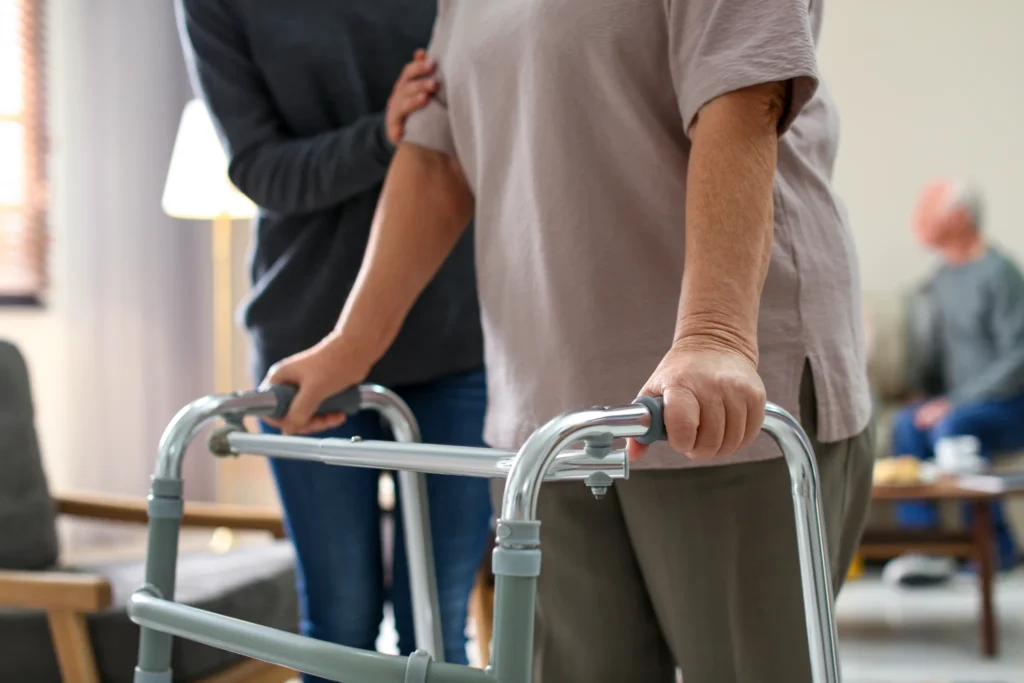
Being a caregiver for older adults or patients who require assistance involves more than simply being there for your loved ones. It also means managing countless small tasks that need to be repeated almost every day, from preparing meals and cleaning to helping with clothing changes, repositioning in bed, and maintaining personal hygiene.
As these daily responsibilities add up, even simple items that reduce unnecessary steps or make caregiving easier can make a meaningful difference.
After all, caregivers don’t have to rely on their own physical strength to handle every task.
10 Essential Caregiver Tools That Can Make Daily Home Care Easier
1. Underpads – Making Bed Hygiene Easier to Manage
For individuals who experience incontinence or spend most of their time in bed, underpads can help reduce the effort required for cleaning and maintaining bed hygiene.
They provide an additional layer of protection against moisture, making it easier to manage unexpected accidents without having to change the entire set of bed linens every time.
2. Urinary Catheter Thigh Straps – Keeping Catheters Secure While Reducing Adhesive-Related Skin Irritation
Some patients may experience allergic reactions to the adhesives used in medical tapes for securing urinary catheters. Others may develop skin irritation or abrasions from frequent tape removal.
A urinary catheter thigh strap offers a practical alternative by helping keep catheter tubing securely positioned while reducing unnecessary movement and pulling.
Because it can secure the tubing without requiring adhesive tape to be applied directly to the skin, it may help minimize adhesive-related skin problems while making catheter management more convenient for caregivers.
3. Positioning Pillows – Small Supports for Greater Comfort in Bed
Remaining in the same position for extended periods can cause discomfort, particularly for individuals with limited mobility.
Positioning pillows can provide support to different parts of the body, such as the legs, knees, or other areas that need additional support.
These simple aids can make repositioning and maintaining comfortable resting positions easier for both caregivers and those receiving care.
4. Protea Rinse-Free Body Wash – For Days When Bathing Isn’t Easy
On days when the person receiving care has difficulty taking a regular shower or bath, cleaning the body without having to move them to the bathroom can help reduce unnecessary steps and physical effort.
Protea Rinse-Free Body Wash offers a convenient alternative for daily personal hygiene routines, particularly when a simpler cleaning method is needed.
5. Cleaning Cloths – Everyday Essentials Worth Keeping Close
Cleaning cloths are basic household items that are especially useful in areas where patient care takes place.
Keeping cleaning cloths within easy reach allows caregivers to handle small cleaning tasks immediately, without repeatedly walking away to collect supplies.
6. Easy-to-Wear Clothing – Making Dressing Less Complicated
Clothing with simple openings, easy fastenings, or designs that require fewer steps can help reduce the time and effort involved in dressing someone with limited mobility or independence.
When possible, easy-to-wear clothing can also encourage individuals to participate more actively in dressing themselves, helping them maintain a sense of independence in their daily routines.
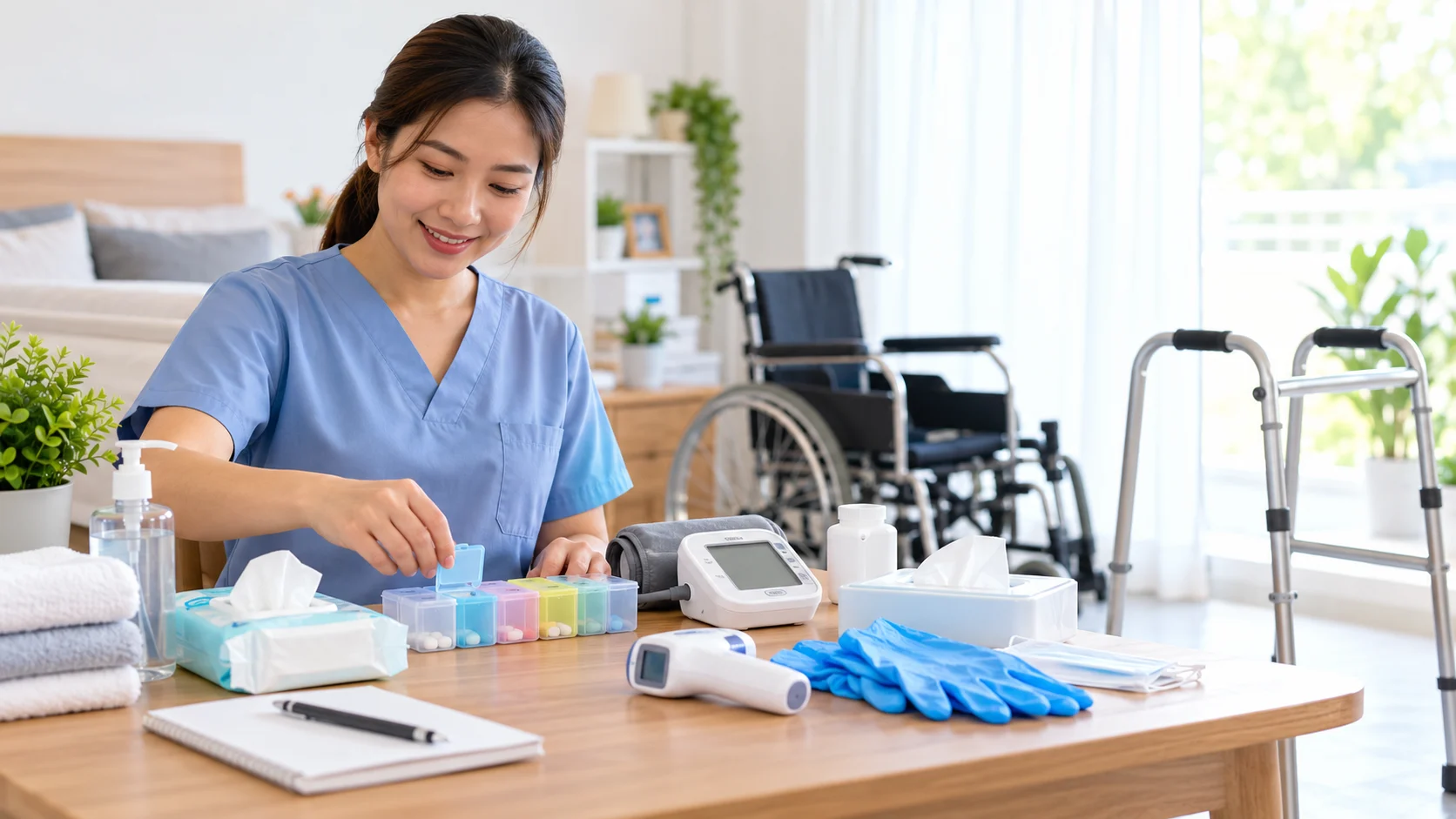
7. Medication Organizers and Care Supply Boxes – Keeping Essentials in Order
Organizing medications and caregiving supplies according to schedules or daily activities can help reduce confusion, misplaced items, and the need to remember every detail.
This is particularly useful in households where multiple types of care equipment and supplies are required.
A well-organized system also makes it easier for different family members to locate what they need when taking over caregiving responsibilities.
Medication organizers should always be prepared according to the prescribed instructions, with guidance from a pharmacist when needed.
8. Bedside Tables or Trays – Keeping Frequently Used Items Within Reach
Everyday essentials such as water, mobile phones, towels, and personal care items should be placed where they can be accessed easily.
Having a bedside table or tray provides a designated space for these items, helping reduce unnecessary reaching, bending, or repeated trips to collect supplies.
9. Easy-Grip Water Bottles or Cups – Supporting Everyday Hydration
Drinking water is a routine activity that takes place several times throughout the day.
Choosing a cup or water bottle that is lightweight, comfortable to hold, and suited to the person’s gripping ability can make drinking easier and more convenient.
The right design should match the individual’s physical abilities and daily care needs.
10. Caregiver Notebooks or Checklists – Making Daily Care More Organized
Keeping a record of daily routines, such as mealtimes, hygiene care, repositioning schedules, and important observations, can help family members coordinate caregiving responsibilities more effectively.
A simple caregiver checklist can also reduce the risk of overlooking important tasks, particularly when several family members take turns providing care.
Small Caregiving Tools Can Make a Meaningful Difference
Choosing practical items that simplify repetitive daily tasks can make home caregiving more manageable.
From underpads, urinary catheter thigh straps, and positioning pillows to Protea Rinse-Free Body Wash, each tool serves a different purpose and should be selected according to the needs and abilities of the person receiving care.
The goal of using caregiving aids isn’t to add more tasks to a caregiver’s routine. It’s to reduce unnecessary physical effort, simplify daily responsibilities, and prevent avoidable fatigue.
Because when caregiving becomes easier to manage, caregivers can save more time and energy for what truly matters: spending meaningful, quality time with the people they love.