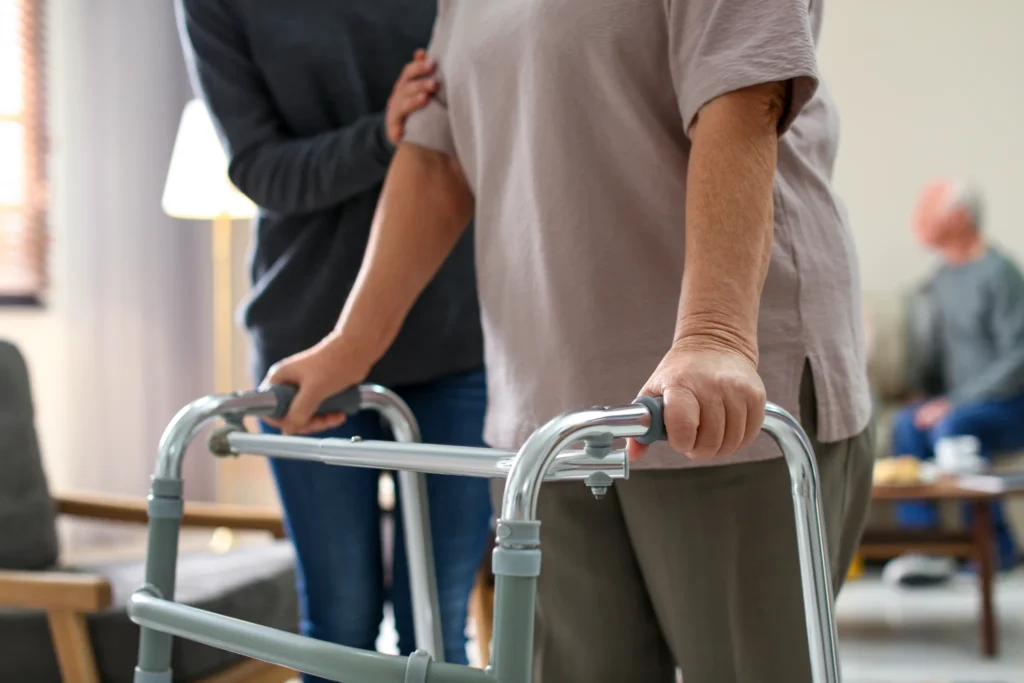
Many people notice that as the elderly in their household grow older, their eating habits change too. They eat less, don’t feel hungry, or sometimes lose interest in food altogether. Yet the truth is that bodies at this age still need complete, high-quality nutrition.

Why Do the Elderly Eat Less?
As we age, our senses of taste and smell decline, so food doesn’t taste as good as it used to. Lost or worn-down teeth make chewing difficult. The digestive system slows down, and certain medications can also cause loss of appetite.
A study in the Journal of Nutrition, Health & Aging found that more than 40% of older adults receive insufficient nutrition, which leads to muscle loss (Sarcopenia), brittle bones, and weakened immunity.
The Nutrients Older Adults Need Most
- Protein is the number-one priority because it helps maintain muscle mass. Older adults should get 1.0–1.2 grams of protein per kilogram of body weight per day. Good sources include eggs, fish, skinless chicken, tofu, and various beans.
- Calcium and Vitamin D are essential for bones. Seniors should get 1,200 milligrams of calcium daily from low-fat milk, yogurt, broccoli, and small fish (eaten whole), combined with gentle morning sunlight so the body can synthesize Vitamin D.
- Dietary fiber helps relieve the constipation that’s common in older adults. Aim for 25–30 grams per day from leafy green vegetables, fruit, and whole grains — and don’t forget to drink enough water, because seniors often don’t feel thirsty even when dehydrated.
Tips to Help the Elderly Eat More
Try dividing meals into 5–6 small servings instead of 3 large ones. Serve food on small plates and bowls so portions don’t feel overwhelming. Season a little more boldly (but watch the sodium), and favor soft or finely mashed textures for anyone with chewing difficulties.
Eating together with family, or in a warm and pleasant setting, does a great deal to stimulate the appetite. Research from the Harvard T.H. Chan School of Public Health confirms that eating with others has a positive effect on both the amount eaten and mental health.
When Should You See a Dietitian?
If an elderly person loses more than 5% of their body weight within 3 months, eats less than half their normal amount, or is managing multiple chronic conditions at once, consult a dietitian or doctor to plan an appropriate, individualized eating plan — rather than simply adding supplements on your own without guidance.
Good nutrition is a cornerstone of healthy aging. Nutrition isn’t just about eating everything on the list — it’s a way of showing daily care and love to the elderly person you look after.
References
- Volkert, D. et al. (2019). ESPEN Guideline on Clinical Nutrition and Hydration in Geriatrics. Clinical Nutrition, 38(1), 10-47.
- Morley, J.E. (2017). Undernutrition in Older Adults. Family Practice, 29(Suppl 1), i89–i93.
- Harvard T.H. Chan School of Public Health. (2020). The Nutrition Source: Nutrition for Older Adults.
- Department of Health, Ministry of Public Health (Thailand). (2020). The Nutrition Flag for Thai Older Adults.