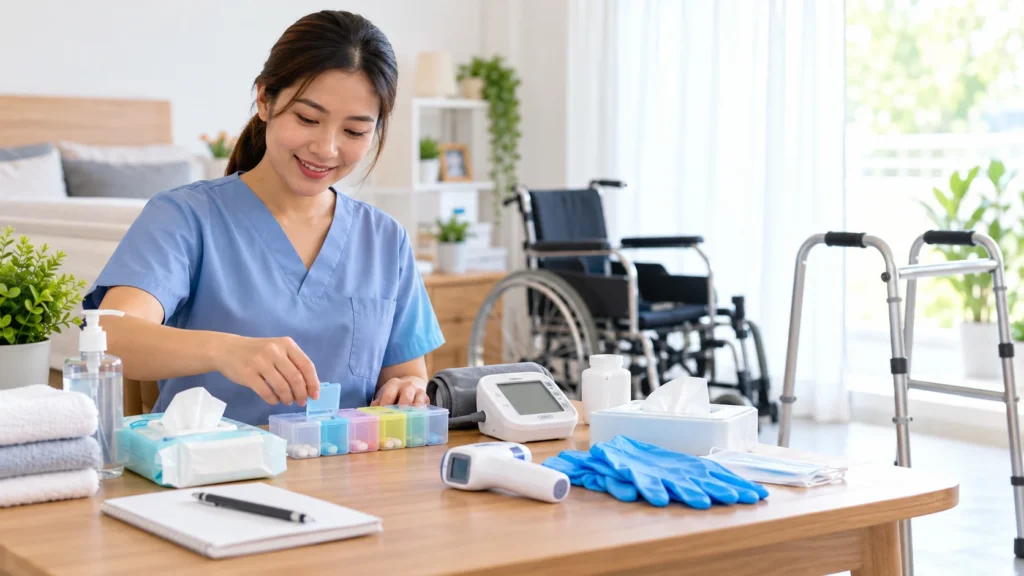
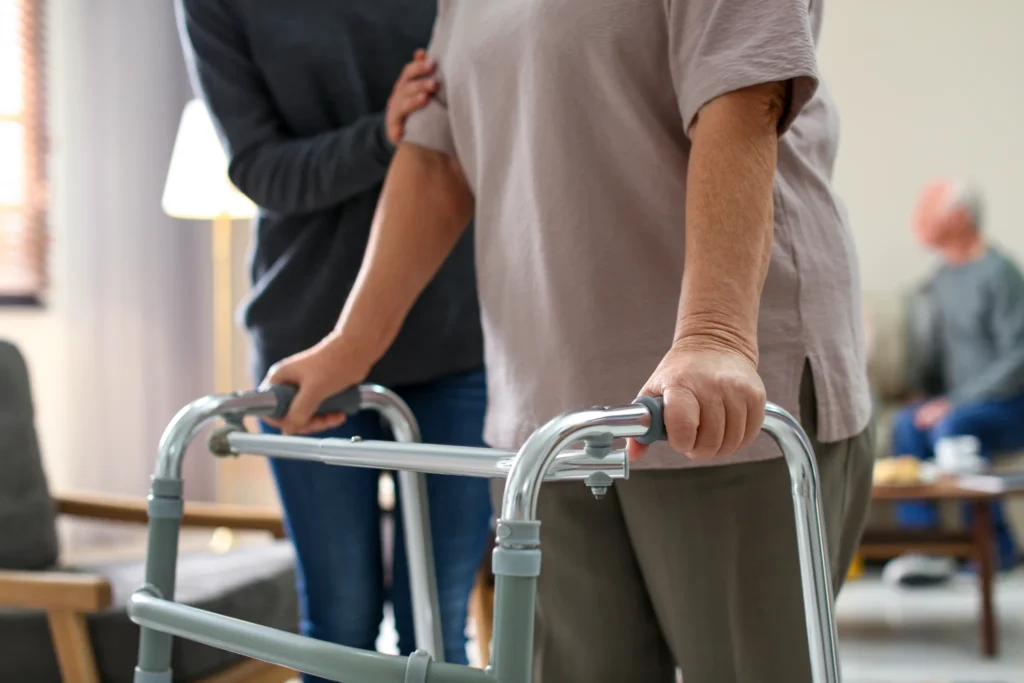
One lovely lady once told Protea that she had been caring for her mother alone for nearly a year — until one day, as she bent down to lift her mother, she heard a loud pop in her back. For the next three days she had to rest in bed before she could get up normally again. That was the moment she asked herself: “Is there a better way?” The answer is yes — and it is called patient-care equipment, designed specifically to take the strain off the caregiver.
Why do caregivers’ backs break down?
Lifting or turning another person’s body repeatedly, every day, is one of the heaviest tasks for the spine — especially when done without proper ergonomic technique. Research from the Journal of Occupational Health found that home caregivers of patients face a risk of lower-back injury up to 3 times higher than the general population.
What kinds of labor-saving aids are there for elderly care?
When people think of labor-saving equipment for elderly care, many picture expensive medical machinery. But in fact, there are many things that genuinely work in an ordinary home:
- Underpad with grab handles — helps you slide and turn the patient without excessive effort.
- Positioning pillow — locks in the correct sleeping position, reduces pressure, and means you don’t have to re-adjust every hour.
- Catheter leg strap — made of stretchy cotton fabric to replace adhesive tape, so skin doesn’t peel and it doesn’t hurt.
These patient-care aids may seem small, but together they reduce the caregiver’s workload enormously.
Investing in equipment = investing in yourself too
Protea believes that buying good equipment is not an expense — it is an investment in the caregiver’s own health. Because if the caregiver falls ill or gets injured, the person most affected is the patient themselves.
Start with genuinely useful items, one at a time — no need to buy everything at once. The underpad with grab handles is always the first thing Protea recommends, because it offers the best value and the most visible results.
References
- Hignett, S. (2003). Intervention strategies to reduce musculoskeletal injuries associated with handling patients. Occupational and Environmental Medicine, 60(9), e6.
- Nelson, A. & Baptiste, A. (2004). Evidence-based practices for safe patient handling and movement. Online Journal of Issues in Nursing, 9(3).
- Department of Labour Welfare and Protection (Thailand). (2017). Safety standards for lifting and moving patients.