When a family member reaches the stage where they can no longer manage on their own, caregiving becomes a major and challenging task — especially for first-time caregivers. It is not only physically demanding; it also requires understanding and emotional readiness. Good preparation makes care more effective and brings happiness to both the caregiver and the elderly person.
1. Learning Comes First
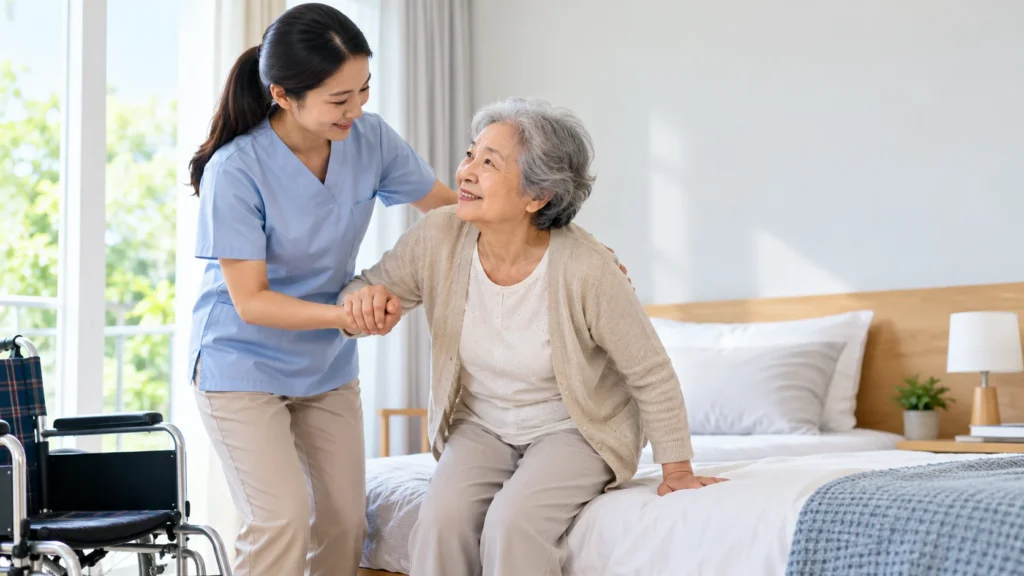
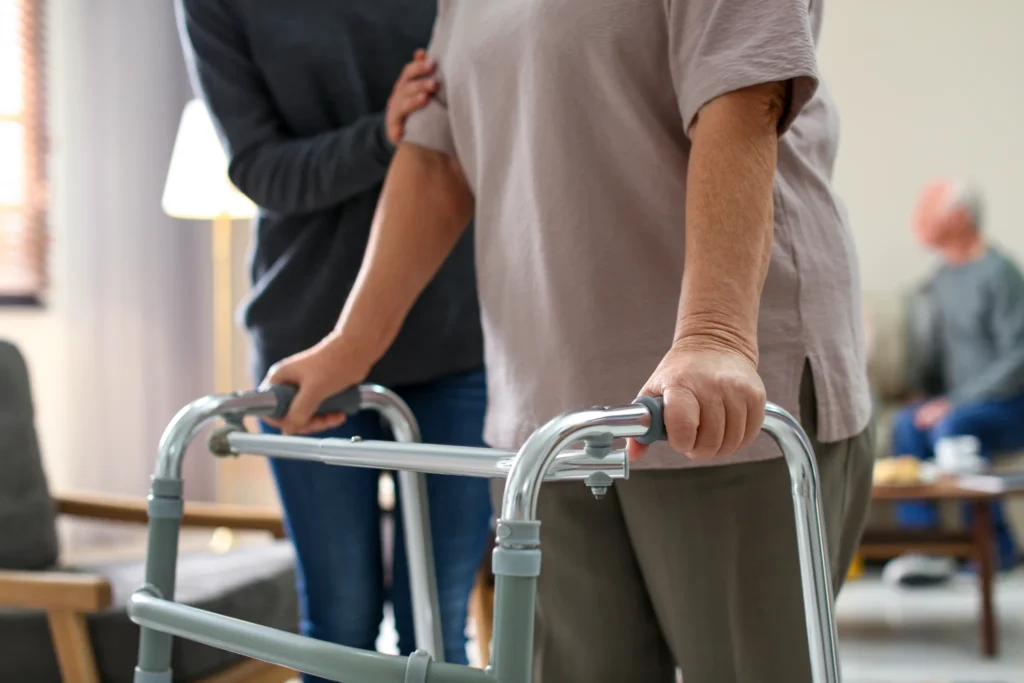
Start by studying your loved one’s underlying conditions and physical limitations in detail. For example, if they have mobility problems, learn how to support or transfer them safely; if they have dietary issues, consult a doctor or nutritionist to prepare appropriate meals. In addition, understanding your loved one’s benefits and entitlements and the support organizations available from government or private sources is not something to overlook.
2. Preparing the Right Environment
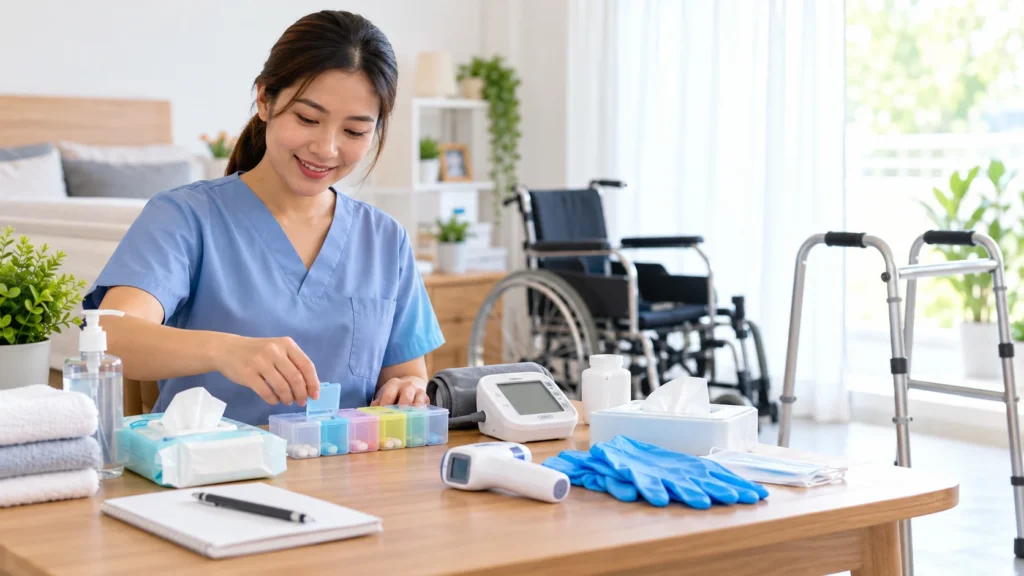
The home should be adapted to be safe and comfortable — for example, installing grab bars in the bathroom and walkways, ensuring good lighting, and avoiding slippery surfaces. Setting up an appropriate bed and other assistive equipment, such as a wheelchair or walking aid, also reduces the risk of accidents.
3. Caring for Yourself, the Caregiver
The caregiver’s role is demanding, both physically and emotionally. Accepting that you too have limits and need rest is important. Making time to rest, do activities you enjoy, and talk with friends and family helps relieve stress. Don’t hesitate to ask others for help, and consider joining a caregiver group to share experiences with people in the same situation.
Caring for an elderly person is not easy — but when you are prepared in knowledge, environment, and mindset, you can provide care that is both high-quality and happily sustainable.