Stroke — whether ischemic (blocked vessel) or hemorrhagic (bleeding in the brain) — often leaves one major lingering effect: hemiparesis, or weakness on one side of the body. Once the patient is past the critical stage and returns home to recover, the family is the heart of helping them return to as normal a life as possible. Today, Protea shares basic guidelines for caring for a stroke patient with hemiparesis at home.
1. Setting Up the Environment and Preventing Accidents
The key principle is “safety and building confidence.”
- Bedroom: Ideally on the ground floor, with a window or adequate lighting, non-slip flooring, and no obstacles that could easily cause accidents.
- Bed: The height should allow the patient’s feet to touch the floor when sitting on the edge of the bed, making it easier to practice standing up.
- Bathroom: Must have grab bars and a shower chair, because patients with hemiparesis lose balance easily.
2. Physical Therapy Care: “Move Often, Prevent Joint Stiffness”
While the muscles are still weak, the most common problems are joint contractures and pressure injuries (bedsores).
- Positioning: Change the patient’s position every 2 hours. If lying on the weak side, position the shoulder comfortably so it is not compressed, and use pillows to support the body’s creases and bony prominences to prevent pressure injuries.
- Joint range-of-motion exercises: Caregivers should gently move the patient’s joints — shoulders, elbows, wrists, fingers, hips, knees, and ankles — 2–3 times a day to maintain flexibility and prevent joints from becoming fixed.
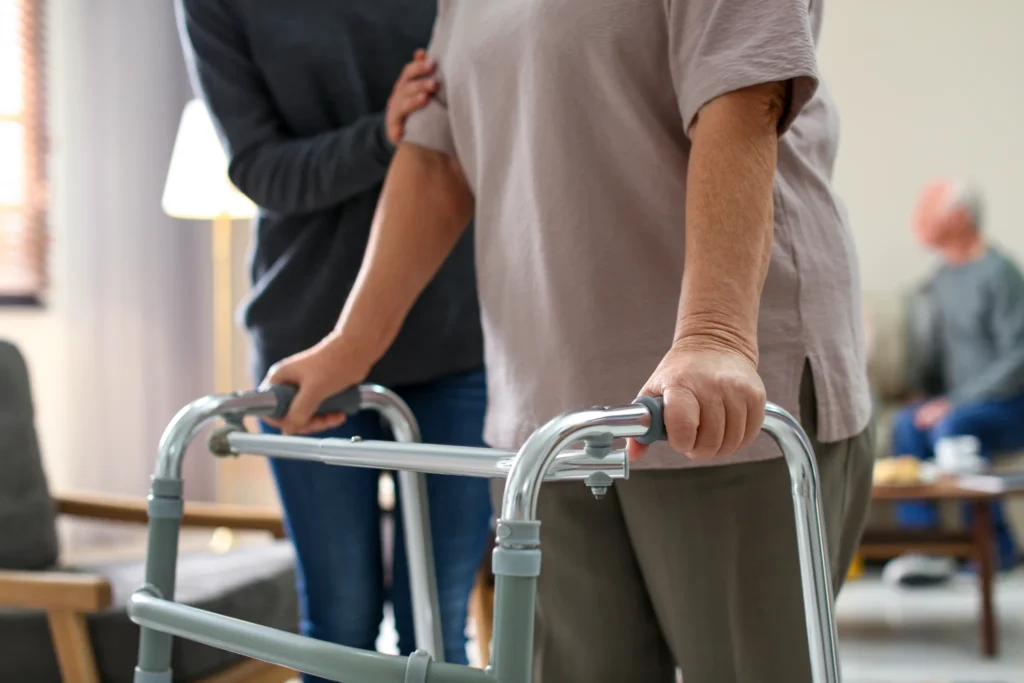
- Encourage use: If the patient can move a little, do not do everything for them. Encourage them to use their weak hand to pick up small objects, retraining the brain to send new commands.
3. Eating and Swallowing Practice
Patients with hemiparesis often have difficulty swallowing, which carries a risk of choking and aspiration pneumonia.
- Check for symptoms: If the patient drools, coughs while eating, or their voice changes after drinking water, consult a doctor for a swallowing assessment and swallowing therapy.
- Feeding techniques: If the doctor permits oral feeding, the patient should sit upright at 90 degrees or with the head elevated while eating. Offer small bites and wait for each to be fully swallowed before offering the next. Avoid thin, watery foods or foods with mixed liquid and solid textures — you can use a thickener, or serve liquids and solids as separate spoonfuls.
4. Mental Health and Emotional Support
Suddenly losing the ability to control one’s own body puts patients at risk of post-stroke depression.
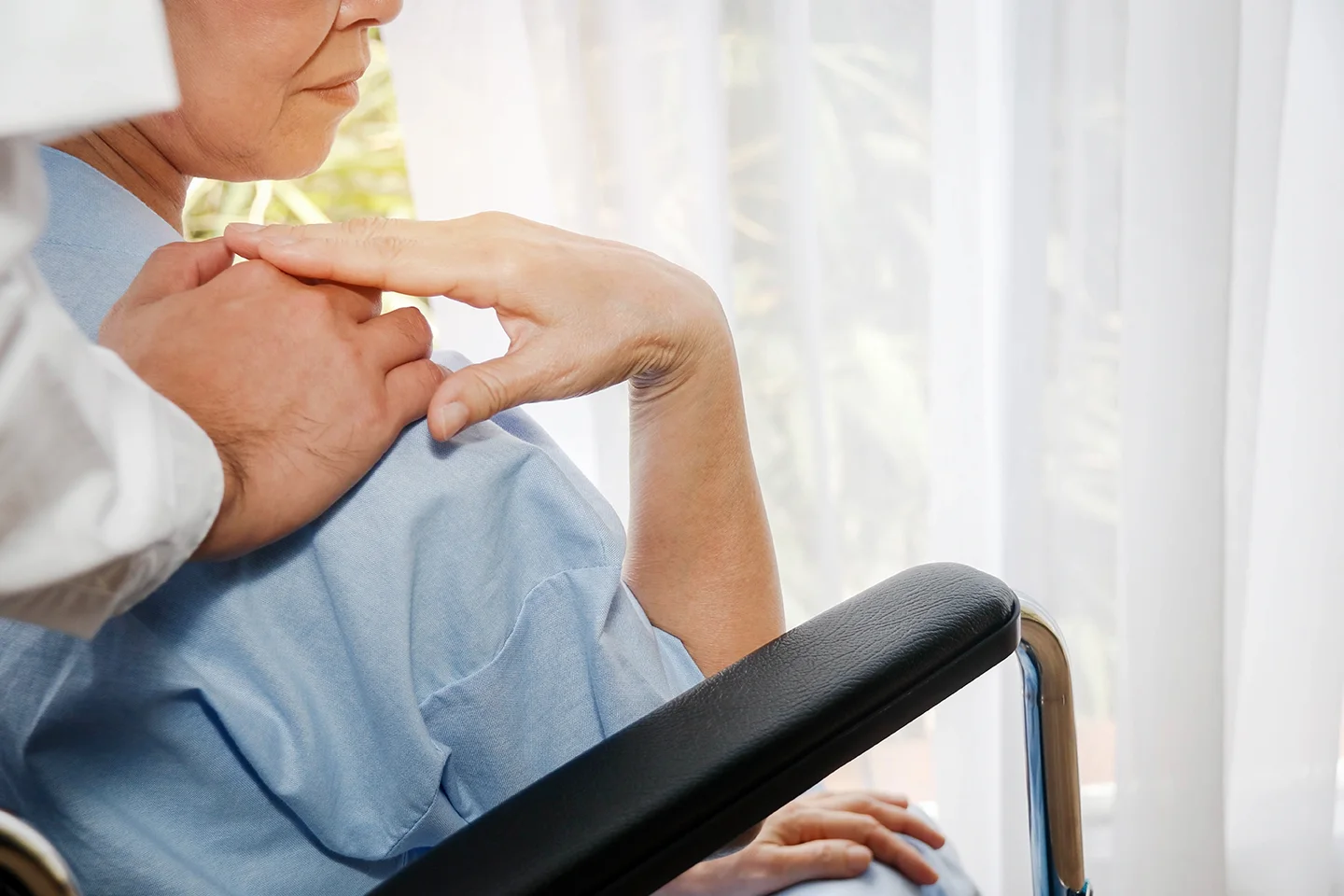
- Understanding: The patient may have mood swings, be easily irritated, or cry without any apparent cause — a direct result of the brain injury. Caregivers should understand these changes and remain patient.
- Communication: Offer encouragement and celebrate small wins — lifting the arm a little higher today, or feeding themselves one spoonful of rice. If the patient’s emotional state becomes severely abnormal, consult a doctor for appropriate treatment.
5. Watching for Warning Signs: “Go to the Hospital Immediately”
If any of these symptoms appear for the first time, or suddenly worsen, take the patient to hospital immediately:
- F (Face): A twisted or drooping face; an uneven smile
- A (Arm): Sudden new weakness in an arm or leg
- S (Speech): Slurred speech, inability to speak, or confusion
- T (Time): Get to the hospital within 4.5 hours
Stroke rehabilitation is not a sprint — it is a marathon. Consistency in care, regular physical therapy, and controlling risk factors (blood pressure, diabetes, cholesterol) are the keys to preventing a recurrence and restoring the patient’s quality of life. Let Protea help you care for the ones you love.