Caring for a bedridden patient — whether a relative, an elderly parent, someone who is ill, or someone recovering from surgery — is not merely a matter of duty. It is a vital role that calls for love, attentiveness, and the determination to make every day of your loved one’s life as comfortable as possible. And care is not just giving medicine and food and leaving them in bed — it covers the body, the mind, and overall quality of life, so the patient feels comfortable and has the strength to keep fighting.
Caring for a bedridden patient therefore involves small details that demand attention. Today, let’s check what you should know if you are caring for someone who is bedridden.
1) Preparing the Home and Setting Up a Room for Bedridden Care
A good start is arranging the home and room specifically for bedridden care. Choose a room with good ventilation, adequate lighting, and easy access to the bathroom. The bed should be at a height that lets the caregiver help the patient sit up or turn without bending over too much, to reduce back strain. Keep the area around the bed clear to reduce the risk of unexpected accidents.
2) Preventing Pressure Injuries Matters More Than Treating Them
Bedridden patients are at high risk of pressure injuries from lying in the same position too long — a painful, hard-to-treat problem. Prevention is therefore paramount. Turn the patient every 2–3 hours, and position them correctly using leg pillows, positioning pillows, or cushions that distribute weight properly to reduce pressure on the hips and lower back.
3) Hygiene Should Be Easy, So It Gets Done Every Day
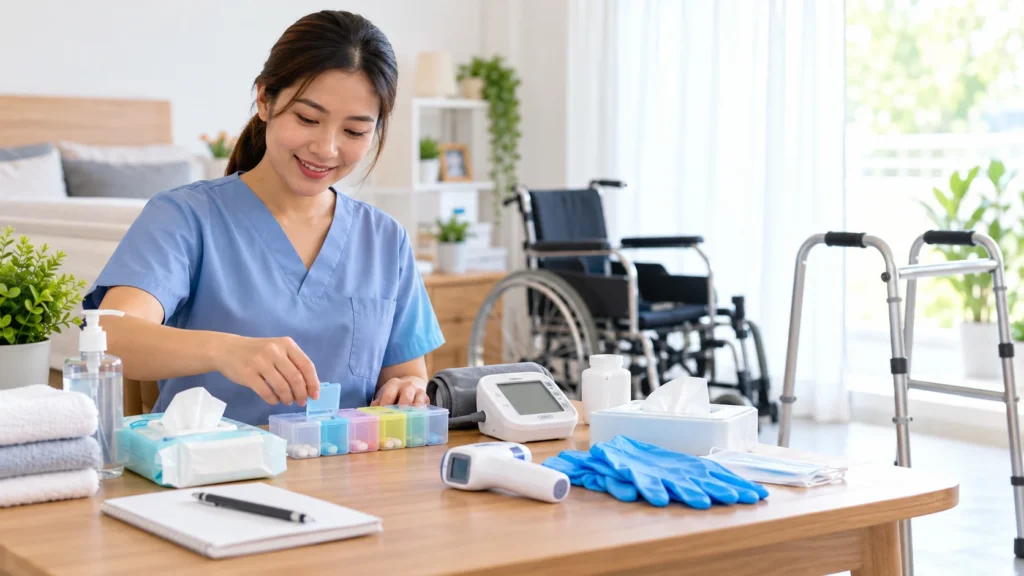
Hygiene needs special attention because bedridden patients cannot bathe or change clothes by themselves. Choose convenient products such as gentle wet wipes, rinse-free bathing foam, underpads, and cleaning gloves. These reduce dampness and help prevent rashes and skin infections, which are common in elderly people with fragile skin.
4) Transfers Must Be Safe for Both Patient and Caregiver
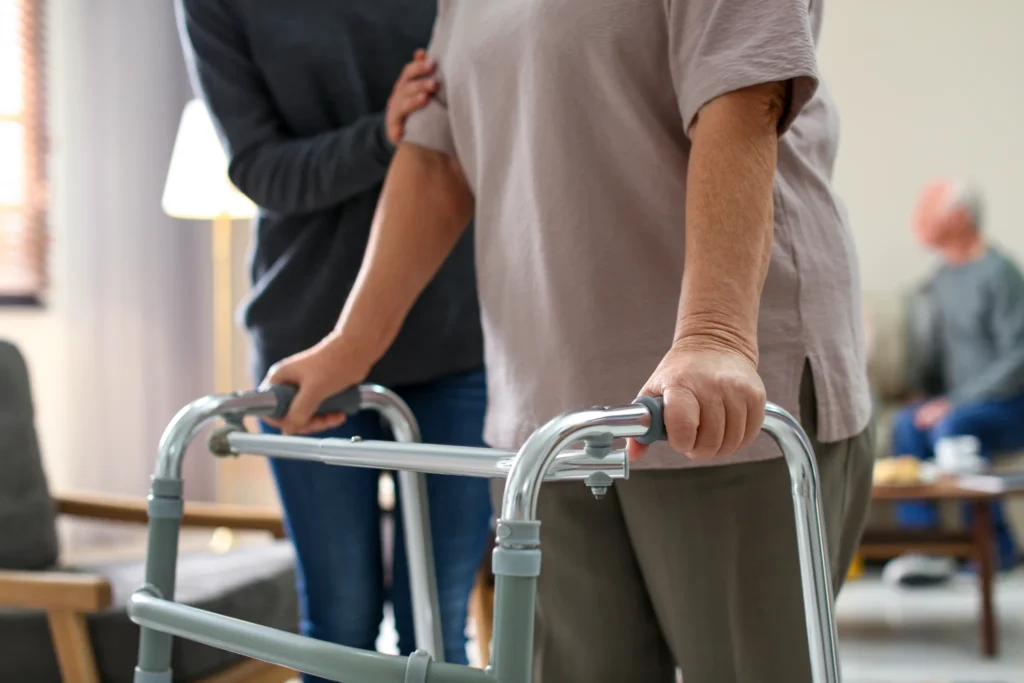
Lifting or moving the patient by human strength alone risks injury to both of you. Using assistive equipment — such as a transfer sheet, a gait belt, or a positioning strap designed for use with a urinary catheter — makes transfers safer and more secure. It also gives the patient confidence and reduces anxiety about moving.
5) Comfort Helps Reduce Stress and Improves Mood
Mental wellbeing matters just as much as physical health. Bedridden patients can easily feel trapped, irritable, or lonely. Creating comfort can greatly lift their mood — for example, using positioning pillows that help them relax, keeping the room clean and bright, and placing things the patient loves within reach, such as a radio, books, or photographs. These ease the stress of being bedridden long-term.
Elderly Care Innovation from “Protea”: Full-Featured, for Professional-Grade Care at Home
Once you know the principles of caring for a bedridden patient, the next step is choosing safe equipment suited to real use — equipment that makes daily care easier for both patient and caregiver. Here are Protea products designed specifically to solve real problems in the home.
1. Protea Underpads – Washable 100+ Times, Great Value, Easy to Use
A basic item every home with a bedridden patient should have. It makes turning and repositioning easier for the caregiver and reduces localized pressure. The material is soft, doesn’t trap odor, and doesn’t irritate the skin; it absorbs liquid exceptionally well and prevents urine from seeping into the mattress. Ideal for elderly people with delicate skin.
Learn more: Protea Underpads
2. Protea Leg Strap for Catheters – Secure, Safe, Washable 1,000+ Times
An item that lets the patient move freely without fear of the catheter pulling loose. It fastens firmly with adjustable straps and non-slip silicone, and is made of soft, comfortable cotton that can be washed and reused for a long time. It gives both caregiver and patient much more confidence when moving or changing position.
Learn more: Protea Leg Strap
3. Protea Positioning Pillows – Correct Positioning, Lower Pressure Injury Risk
Pillows that lock the patient’s position in place so they don’t roll back into a harmful position, designed based on nursing research. Safe and practical for patients who must stay in one position for long periods.
Learn more: Protea Positioning Pillows
Why Does Choosing Elderly Care Equipment Matter So Much?
Because the “right equipment, chosen well” is an assistant that visibly makes caring for a bedridden patient easier:
- Lower risk of pressure injuries
- Less workload for the caregiver
- Safer transfers
When you choose equipment from a brand that truly understands the challenges of elderly care, like Protea, you can be confident in its quality, safety, and value — results you will see in daily life. Because we believe good equipment helps make your love easier to put into action.