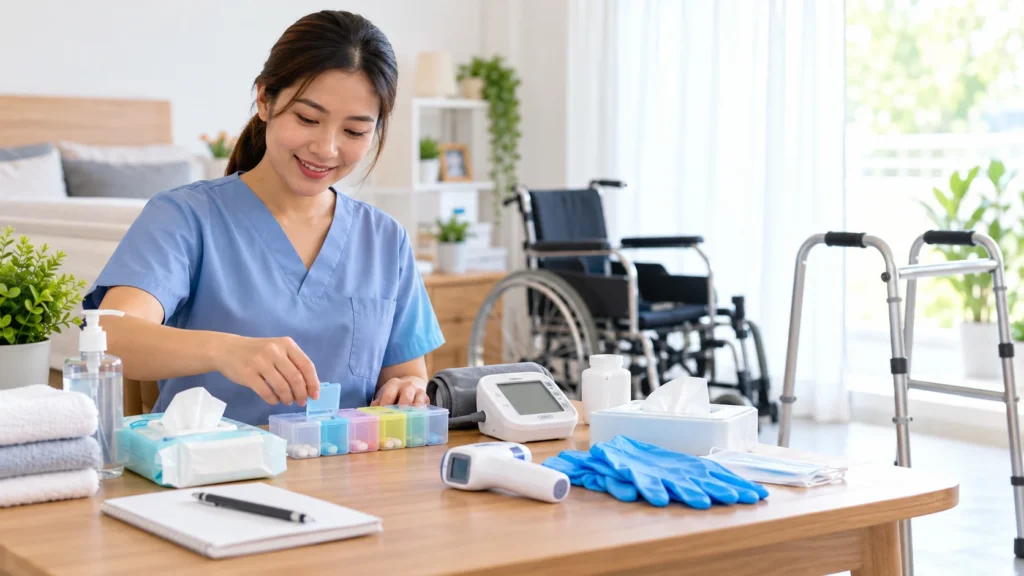
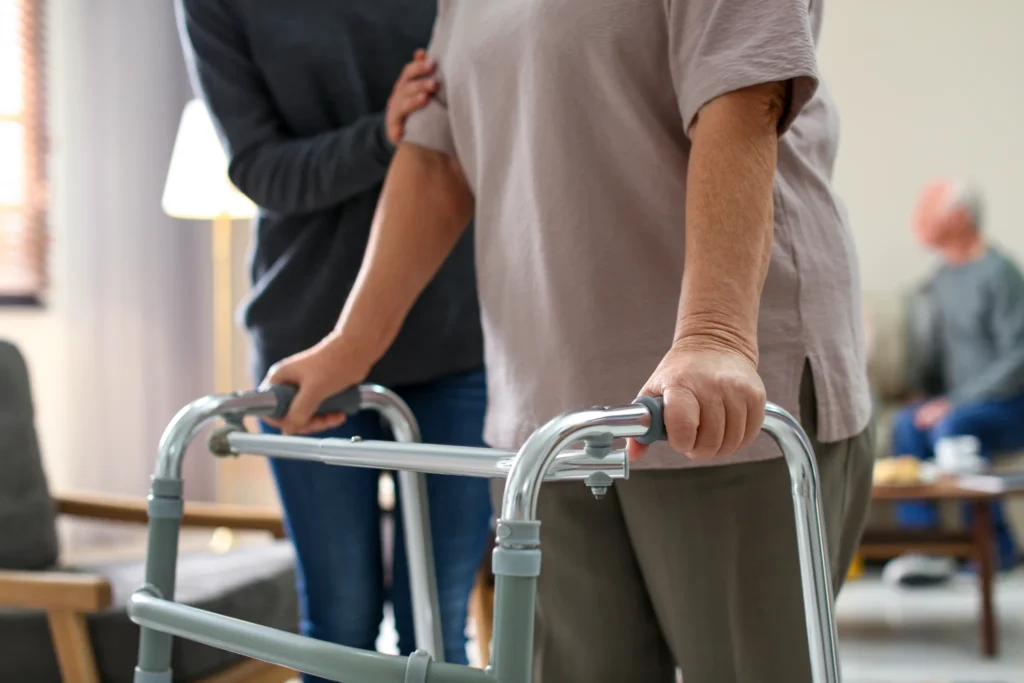
At half past five in the morning, the alarm goes off. Before getting up to cook breakfast, you stop by to turn your mother over, change her diaper, check her skin, give her medication, and offer her water. That is an “ordinary morning” for someone caring for an elderly parent at home.
Protea is not saying this is wrong — we simply want you to know there are ways to make each of these steps a little lighter.
Starting with the morning: make turning the patient less of a strain
If your household still turns the patient using pure physical strength, Protea recommends a simple recovery-care helper: an underpad with grab handles. Besides helping you turn the patient without excessive effort, it absorbs liquid well and can be washed and reused more than 100 times — so you no longer pay for disposable underpads every single day.
Daytime: the caregiver’s rest matters too
One thing many people forget is that while the patient naps at midday, the caregiver needs to rest too — not rushing to do housework or scrolling social media, but actually lying down and sleeping for 20–30 minutes.
A positioning pillow is a patient-care device that helps the patient stay in the correct side-lying position for longer, without someone constantly propping them up — giving the caregiver a real chance to breathe.
Evening and night: keep a routine to reduce stress
Research has found that a clear daily routine significantly reduces stress for both patients and caregivers. Try setting up a simple schedule — when to turn the patient, when to give medication, when to do the sponge bath — and post it somewhere clearly visible, so you don’t have to keep everything in your head.
For those caring for an elderly relative alone, without help, Protea recommends investing first in equipment that removes steps from the routine — because every minute saved in daily tasks is energy kept in reserve for the harder moments.
What Protea wants to say to everyone who is fighting on
Caring for someone you love is not a job — it is an expression of love. But love needs strength, and strength needs care. Protea designs every product so that you can keep loving for longer, do it more correctly, and feel less tired every single day.
References
- Pinquart, M. & Sörensen, S. (2003). Associations of stressors and uplifts of caregiving with caregiver burden. Journal of Gerontology, 58B(2), 112–128.
- Gitlin, L.N. et al. (2003). Enhancing quality of life of families who use adult day services. The Gerontologist, 43(3), 342–350.
- Department of Mental Health, Ministry of Public Health (Thailand). (2022). Self-care manual for caregivers of older adults.